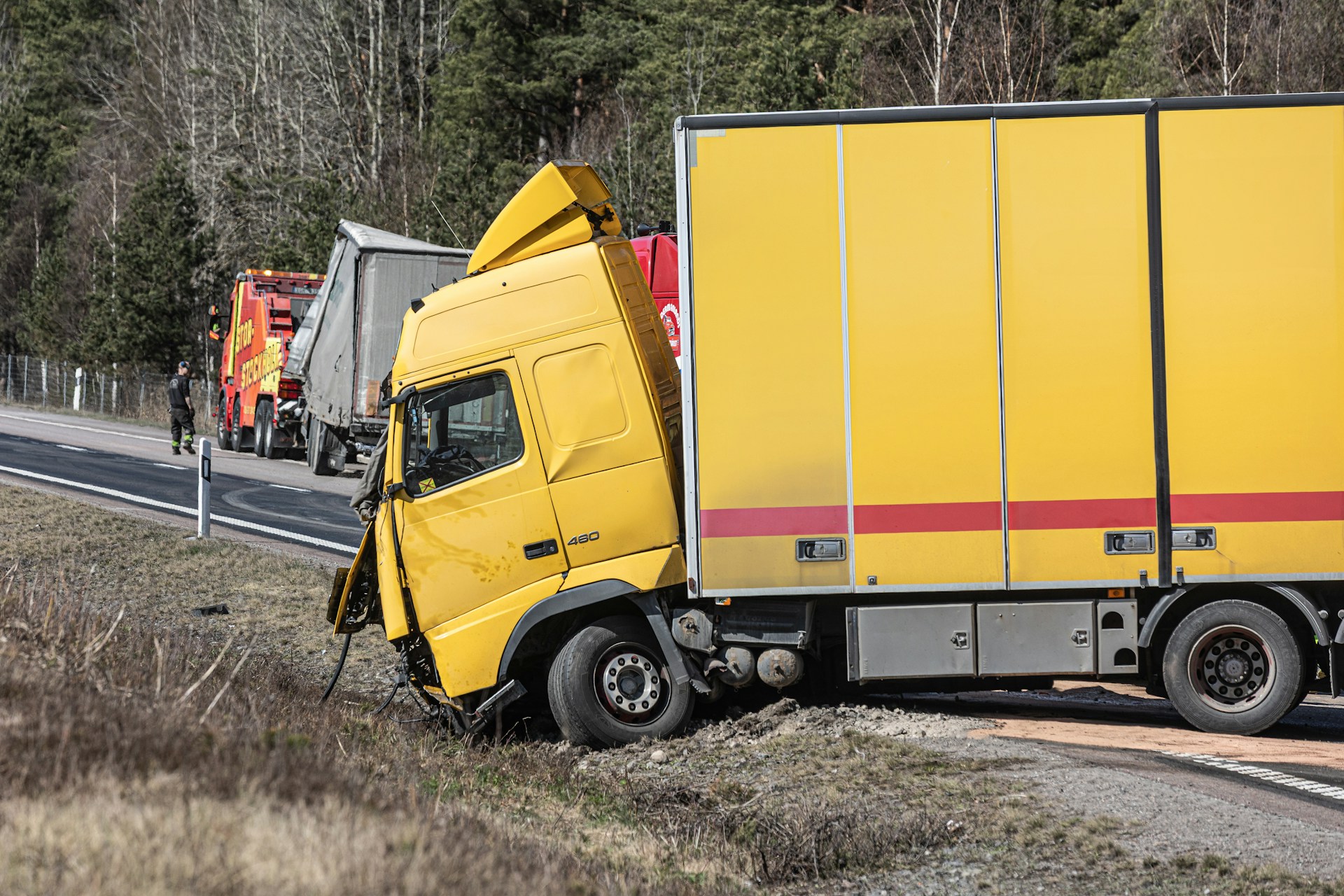
The size and weight of vehicles play a crucial role in their performance, safety, and regulatory classification. Vehicles can range from small motorcycles to large commercial trucks, each with distinct dimensions and mass that influence their handling characteristics and the potential damage they can cause in an accident. For instance, a standard passenger car typically weighs between 2,500 to 4,000 pounds, while a heavy-duty truck can weigh upwards of 80,000 pounds when fully loaded. This disparity in weight means that larger vehicles have a greater momentum, which can lead to more severe consequences in collisions.
Moreover, the physical dimensions of a vehicle affect its maneuverability and visibility on the road. Larger vehicles often have blind spots that can obscure smaller vehicles or pedestrians, increasing the risk of accidents. The height and width of a vehicle also determine its ability to navigate certain roadways and intersections. As urban areas become more congested, understanding the implications of vehicle size and weight becomes increasingly important for both drivers and city planners.
Impact and Damage
The impact of a vehicle in a collision is largely determined by its size, weight, and speed at the time of the incident. Heavier vehicles tend to inflict more damage upon impact due to their greater kinetic energy. For example, a collision between a compact car and a large truck can result in catastrophic damage to the smaller vehicle, often leading to severe injuries for its occupants. The structural integrity of vehicles also plays a significant role; modern cars are designed with crumple zones that absorb energy during a crash, while larger vehicles may lack such features, leading to different damage patterns.
In addition to the immediate physical damage caused by collisions, there are secondary impacts to consider. These include property damage, such as the destruction of infrastructure or other vehicles involved in the accident. The aftermath of a significant collision can disrupt traffic flow, leading to congestion and further accidents. The economic implications can be substantial, as repair costs and medical expenses accumulate quickly following serious incidents.
Regulations and Licensing
Regulations governing vehicle operation are established to ensure safety on the roads. Licensing requirements vary by vehicle type; for instance, operating a motorcycle typically requires a specific motorcycle endorsement on a driver’s license, while commercial drivers must obtain a Commercial Driver’s License (CDL) to operate larger vehicles. These regulations are designed to ensure that drivers possess the necessary skills and knowledge to handle their vehicles safely.
In addition to licensing, there are regulations concerning vehicle maintenance and inspections. Many jurisdictions require regular safety inspections to ensure that vehicles meet specific safety standards. These regulations help prevent accidents caused by mechanical failures or unsafe driving conditions. Compliance with these laws is essential for maintaining road safety and minimizing risks associated with vehicle operation.
Liability and Insurance
Liability in vehicle accidents is often determined by the circumstances surrounding the incident. In many cases, the driver deemed at fault may be held responsible for damages incurred by other parties involved in the accident. This liability can extend beyond physical damage to include medical expenses and lost wages for injured individuals. Understanding liability is crucial for drivers, as it directly impacts their financial responsibilities following an accident.
Insurance plays a vital role in managing liability risks associated with vehicle operation. Most jurisdictions require drivers to carry a minimum level of insurance coverage to protect against potential damages resulting from accidents. Insurance policies typically cover bodily injury liability, property damage liability, and may also include personal injury protection or uninsured motorist coverage. The specifics of these policies can vary widely, making it essential for drivers to understand their coverage options and ensure they are adequately protected.
Injuries and Fatalities
Vehicle accidents can result in a range of injuries, from minor bruises to life-threatening conditions. Common injuries include whiplash, fractures, and traumatic brain injuries, which can have long-lasting effects on victims’ quality of life. The severity of injuries often correlates with the type of vehicles involved in the collision; for example, occupants of smaller cars are generally at higher risk of severe injuries when colliding with larger vehicles.
Fatalities resulting from vehicle accidents are a significant public health concern. According to statistics from various transportation safety organizations, thousands of lives are lost each year due to traffic-related incidents. Factors contributing to fatalities include speed, impaired driving, and failure to use seat belts. Efforts to reduce these numbers involve public awareness campaigns, stricter enforcement of traffic laws, and advancements in vehicle safety technology.
Investigation and Evidence
Investigating vehicle accidents is essential for determining the causes and circumstances surrounding an incident. Law enforcement agencies typically conduct these investigations, gathering evidence such as witness statements, photographs of the scene, and vehicle damage assessments. Consulting a Blakeley Law Firm truck accident lawyer in Jacksonville can help ensure that all critical evidence is properly evaluated and preserved. Accident reconstruction experts may also be called upon to analyze factors like speed and trajectory to provide a clearer picture of what transpired.
The evidence collected during an investigation plays a critical role in establishing liability and informing insurance claims. Detailed reports generated by investigators can be used in legal proceedings if disputes arise between parties involved in the accident. Additionally, advancements in technology have improved the accuracy of accident investigations; tools such as drones and 3D mapping software allow for more comprehensive analyses of crash sites.
Environmental and Traffic Impact
Vehicle accidents have broader implications beyond immediate physical damage; they can also affect the environment and traffic patterns. Collisions often result in fuel spills or debris on roadways, which can pose hazards to other drivers and lead to environmental contamination. In urban areas, accidents can cause significant traffic delays, impacting public transportation systems and increasing emissions from idling vehicles.
The cumulative effect of accidents on traffic flow can lead to long-term changes in transportation infrastructure planning. Frequent accidents at specific locations may prompt city planners to implement safety measures such as improved signage, traffic signals, or road redesigns aimed at reducing future incidents. Understanding these impacts is essential for developing effective strategies to enhance road safety and minimize environmental harm.
Legal and Financial Consequences
The legal ramifications of vehicle accidents can be extensive, often resulting in civil lawsuits or even criminal charges depending on the circumstances. If negligence is established, injured parties may seek compensation through legal action against the at-fault driver or their insurance company. Working with an experienced injury lawyer can make this process more manageable, as these cases are often lengthy and complex and require skilled guidance to navigate the intricacies of personal injury law and ensure that victims pursue the full compensation they deserve.
Financial consequences extend beyond legal fees; they can include medical expenses, property damage costs, and potential loss of income due to injuries sustained in an accident. For drivers found liable for an accident, their insurance premiums may increase significantly following a claim. In severe cases involving fatalities or significant injuries, financial repercussions can be substantial enough to impact an individual’s long-term financial stability.
In conclusion, understanding the multifaceted aspects of vehicle operation—from size and weight considerations to legal consequences—provides valuable insights into road safety and accident prevention strategies. Consulting an experienced law firm can further help individuals navigate the legal implications associated with vehicle accidents and liability. Each element plays a role in shaping how society addresses the challenges posed by vehicle use on public roads.


