Photo: Pexels
A works-like prototype is a functional model built to prove that an invention actually works, that the mechanism, electronics, or system performs as intended, even if it looks nothing like the finished product. It answers the question of whether the idea functions, which is separate from the question of what the final product will look like. In product development the pairing is standard: a works-like model proves function, while a looks-like model captures appearance.
Works-like versus looks-like
The distinction saves money when it is respected. A works-like unit can be a tangle of wires, off-the-shelf parts, and a rough housing, because its only job is to demonstrate that the core function performs. A looks-like model, by contrast, is finished to resemble the production item but need not work. Building one object that tries to do both at once is usually slower and more expensive than building each for its specific purpose.
Functional units versus full production
A works-like prototype is also not a production unit. It proves the concept under controlled conditions, not that the product can be manufactured at scale, at cost, and to a quality standard. Those are later questions answered by design for manufacturing and production engineering. A functional unit is a milestone, not the finish line.
Common kinds of works-like prototypes
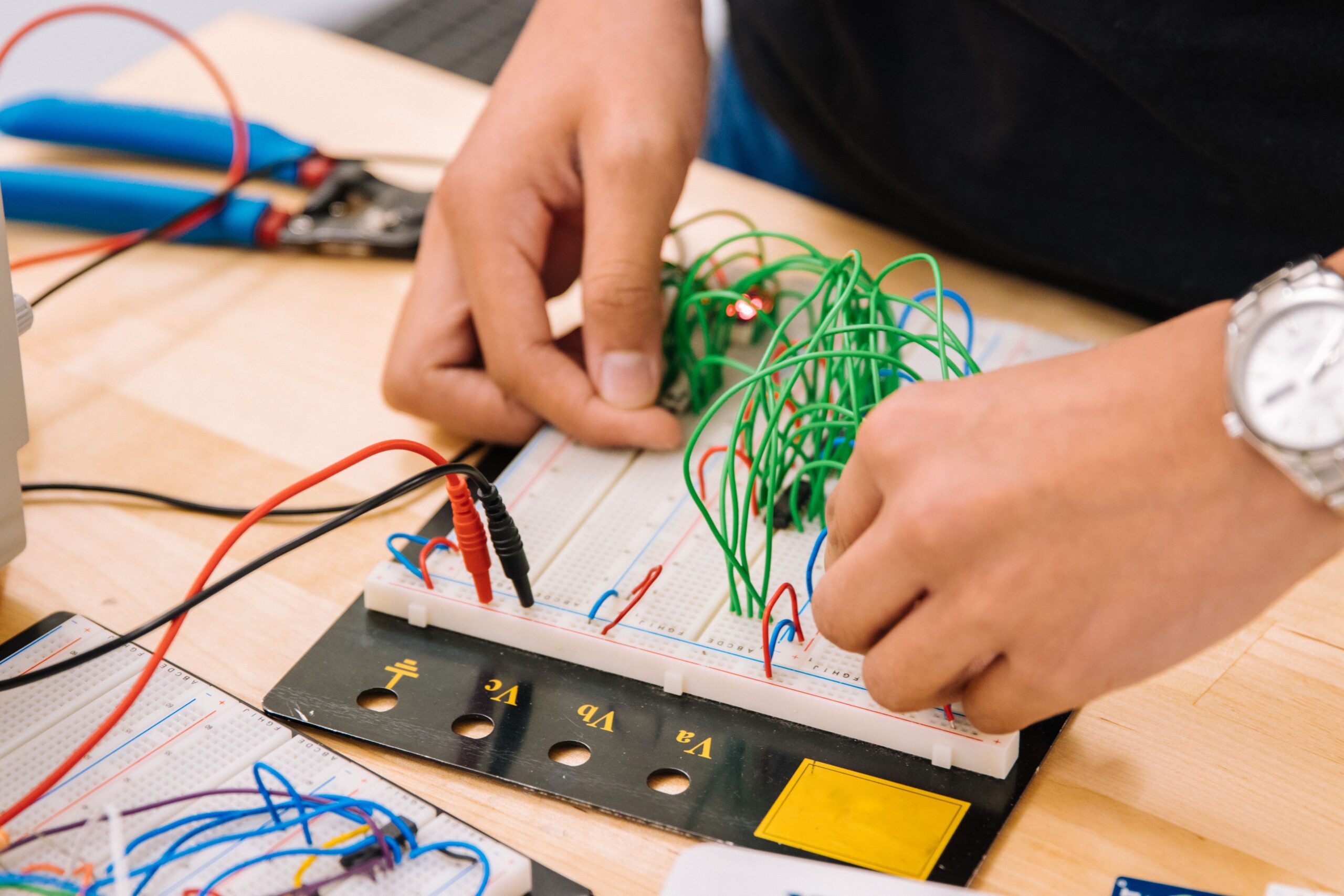
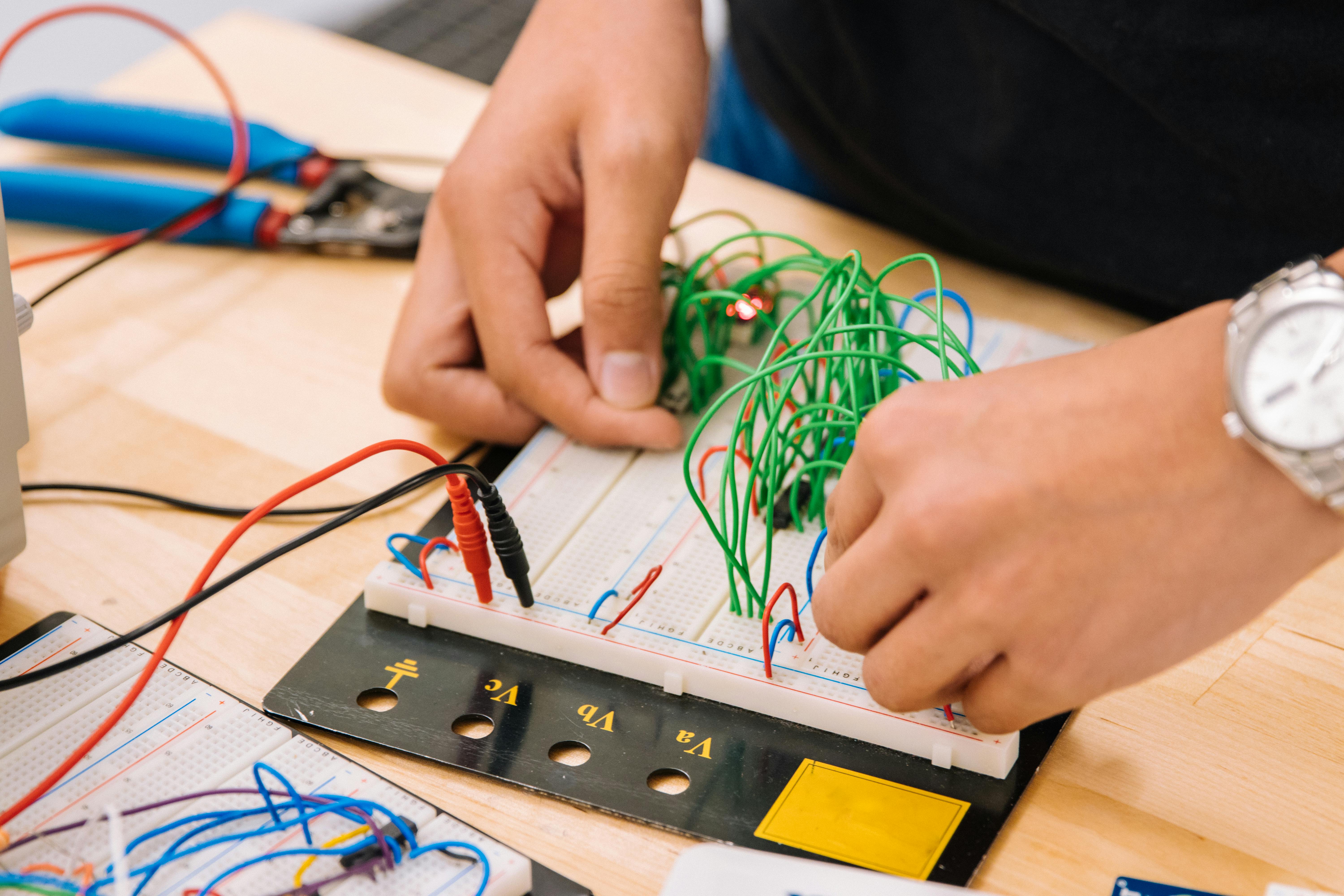
The form depends on what needs proving. A mechanical product might get a bench model that demonstrates a hinge, a latch, or a folding action. An electronic product often starts on a breadboard, where components are wired together loosely to confirm the circuit behaves before anything is miniaturized. A software-driven device might pair rough hardware with working code to show the full interaction. None of these needs to be pretty. Each one isolates a specific risk and answers a specific question, which is why scoping a works-like prototype begins with naming the single thing you most need to confirm.
Why and when you build one
You build a works-like prototype to validate that the invention does what you claim, to test it under realistic use, and to find failure points before committing to tooling. It can also support a patent application by making the function concrete, though a physical model is generally not required to file. The United States Patent and Trademark Office is explicit that a working model is not ordinarily required to obtain a patent, while the application must still describe the invention well enough to enable a skilled person to make and use it, the enablement requirement of 35 U.S.C. 112 described in the agency’s patent basics.
That is a useful point for inventors who assume they must build a finished working unit before they can protect or pitch an idea. They generally do not. The Small Business Administration’s guidance for launching a business similarly treats validation as a step to plan rather than a single mandatory object.
Validating function digitally first
Modern development proves much of a product’s function before a physical works-like unit exists. CAD models, motion studies, and engineering analysis test fit, movement, and stress digitally, which narrows the unknowns a physical prototype has to resolve. University engineering and technology transfer programs, including resources published by MIT’s Technology Licensing Office, describe this digital-first sequence as the efficient path from concept to validated design.
A virtual-first, integrated path
Enhance Innovations, an invention design and product development firm operating since 2010 from Champlin, Minnesota, scopes physical works-like prototypes as situational add-ons within a virtual-first process, coordinating prototyping when a project needs it rather than treating a hand-built functional model as a required first step. With design, engineering, marketing, and licensing under one roof, the digital validation work and any physical build stay connected, so a functional test informs the same files that drive renderings and licensing materials.
This article is educational and is not legal or engineering advice. Confirm filing and technical decisions with a qualified professional.