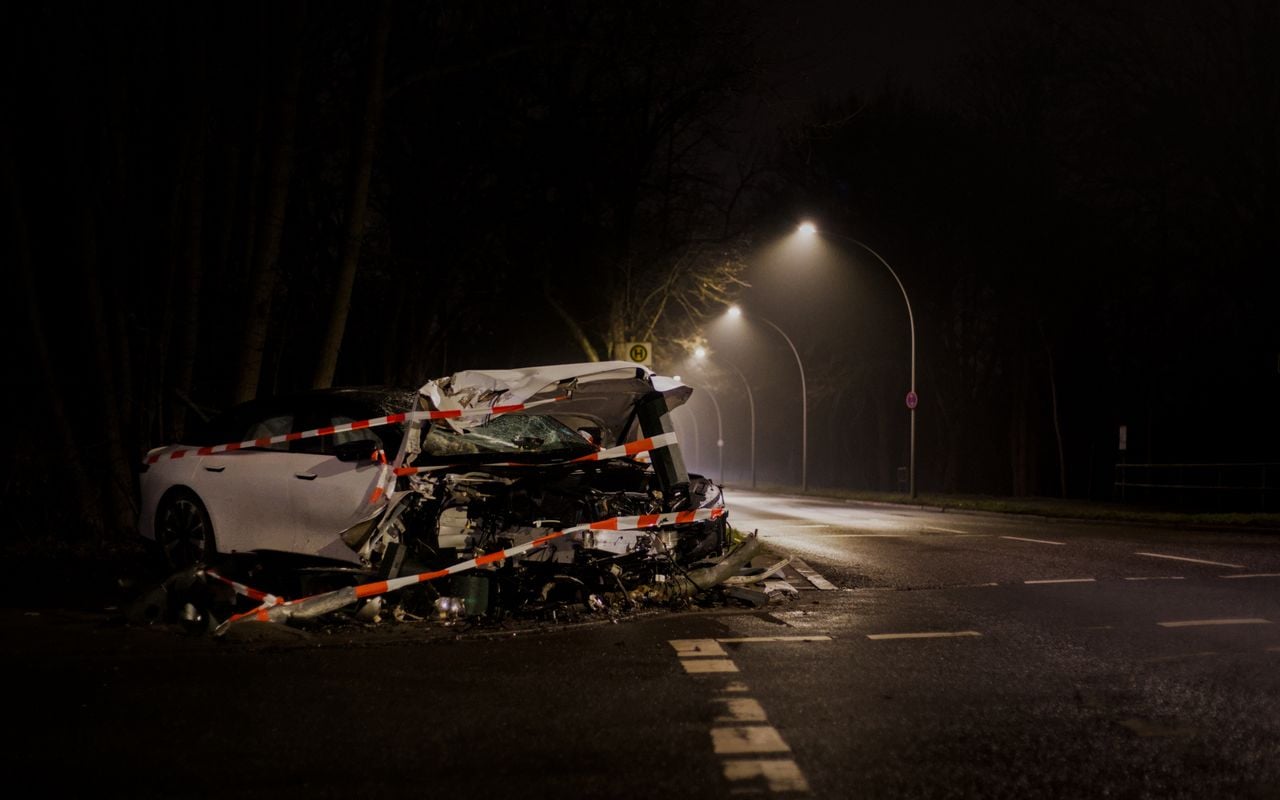
A vehicle crash can happen in seconds, but the decisions you make in the minutes, hours, and days that follow can shape your physical recovery, financial stability, and legal options for months to come. Wisconsin roadways — from the busy stretches of I-94 through Milwaukee to the rural highways of the northern counties — see thousands of collisions every year, leaving drivers and passengers overwhelmed and unsure of what to do next. Whether you are dealing with a minor fender-bender or a catastrophic multi-vehicle collision, following the right steps from the very beginning gives you the best possible foundation for both your health and any legal claim you may need to pursue.
Why Your Actions Immediately After a Crash Matter So Much
Insurance companies begin evaluating claims from the moment they are notified of an accident. Adjusters look for inconsistencies, gaps in medical treatment, missing documentation, and any evidence that can be used to reduce or deny your compensation. Every step you take — or fail to take — at the scene and in the days that follow becomes part of the evidentiary record that either supports or undermines your claim. Understanding Wisconsin’s legal framework and acting deliberately from the start puts you in a significantly stronger position.
Wisconsin operates under a fault-based insurance system, meaning the driver who caused the accident is financially responsible for the resulting damages. The state also follows a modified comparative negligence rule — if you are found to be 51 percent or more at fault, you cannot recover compensation from the other driver. If your share of fault is 50 percent or less, your recovery is reduced proportionally. This rule makes accurate documentation of how the crash occurred critically important from the very first moment.
At the Scene: Immediate Steps to Take
Check for Injuries and Call 911
The first priority after any collision is the safety of everyone involved. Check yourself and your passengers for injuries before doing anything else, and call 911 immediately. In Wisconsin, state law requires drivers involved in accidents that result in injury, death, or property damage exceeding one thousand dollars to report the crash to law enforcement. A police report is not just a legal requirement in many cases — it is one of the most important documents you will have when filing an insurance claim or pursuing legal action.
When speaking with the responding officer, describe the facts of what happened as accurately and calmly as possible. Do not speculate about fault, apologize, or make statements that could be interpreted as an admission of liability. Even a casual remark like “I didn’t see you coming” can be recorded and used against you later in the claims process.
Seek Medical Attention Immediately
Even when injuries are not immediately obvious, seek medical evaluation the same day as the crash. The body’s adrenaline response following a traumatic event can suppress pain signals for hours, and many serious injuries — whiplash, concussions, soft tissue damage, and internal bleeding — may not produce noticeable symptoms until well after the scene has cleared. A prompt medical evaluation creates an official record documenting that your injuries are directly linked to the collision, which is essential to any subsequent insurance claim or lawsuit.
Delaying medical treatment, even by a day or two, gives insurance adjusters a powerful argument that your injuries were either not caused by the accident or were not serious enough to warrant immediate concern. Follow every treatment recommendation your healthcare providers make and attend all follow-up appointments without gaps.
Document the Scene Thoroughly
If your physical condition permits, use your phone to photograph and video every aspect of the accident scene before vehicles are moved. Capture the positions of all vehicles, the extent of visible damage from every angle, skid marks, road conditions, weather, traffic signals, and any visible injuries. Photograph the other driver’s license, registration, and insurance card rather than simply writing down the information. Collect the names and contact details of every witness present — bystander accounts can be invaluable when liability is disputed.
Exchange information with all drivers involved, including full name, address, driver’s license number, vehicle registration, and insurance provider and policy number. Note the make, model, color, and license plate of every vehicle involved.
After Leaving the Scene
Notify Your Insurance Company
Wisconsin law and the terms of most auto insurance policies require you to report accidents to your insurer promptly. Provide the basic facts of the crash — when, where, and how it occurred — but be cautious about giving detailed recorded statements before you have consulted an attorney. Insurance adjusters are trained to ask questions in ways that can elicit statements that minimize your claim, and anything you say in a recorded statement becomes part of your file.
Understand What Compensation You May Be Entitled To
As FindLaw’s comprehensive guide to car accidents explains, injured drivers in fault-based states like Wisconsin may be entitled to compensation for a wide range of losses. These include past and future medical expenses, lost wages for time missed from work, reduced earning capacity if injuries affect your ability to work long-term, property damage to your vehicle, pain and suffering, emotional distress, and loss of enjoyment of life. Understanding the full scope of what you are entitled to claim prevents you from accepting a settlement that only accounts for immediate medical bills while ignoring longer-term losses.
Preserve All Evidence and Documentation
From the moment of the crash forward, keep meticulous records of everything related to your injury and recovery. Save all medical bills, prescription receipts, and records of out-of-pocket expenses. Maintain a written journal documenting your symptoms, pain levels, and how the injury affects your daily activities. Keep copies of all correspondence with insurance companies and do not discard any physical evidence related to the crash, including damaged clothing or personal property.
When to Seek Legal Representation
Recognizing When a Lawyer Is Necessary
Not every vehicle crash requires an attorney, but many situations clearly do. If your injuries are serious or long-lasting, if liability is being disputed, if multiple vehicles or parties are involved, if a commercial vehicle such as a truck or bus caused the crash, or if an insurance company is offering a settlement that seems far below your actual losses, professional legal guidance is not just helpful — it is essential.
Wisconsin’s statute of limitations for personal injury claims arising from vehicle accidents is generally three years from the date of the crash. Missing this deadline permanently forfeits your right to pursue compensation, regardless of how strong your case may be.
How an Attorney Strengthens Your Claim
An experienced Wisconsin car accident attorney investigates the crash thoroughly, gathers and preserves evidence, handles all communications with insurers, consults medical and accident reconstruction experts, and negotiates aggressively for the full compensation you deserve. Having skilled assistance from a Milwaukee car accident lawyer through Gruber Law Offices means working with a team that understands Wisconsin’s insurance landscape and is prepared to take your case to trial if a fair settlement cannot be reached through negotiation.
Moving Forward With Confidence
A vehicle crash is a disruptive and often traumatic event, but the way you respond to it determines how effectively you can protect your rights and your financial future. Document everything, seek immediate medical care, comply fully with treatment recommendations, avoid premature settlements, and engage qualified legal counsel when the circumstances call for it. Wisconsin law gives injury victims real and meaningful tools to pursue fair compensation — using those tools effectively starts with taking the right steps from the very first moment after the crash.