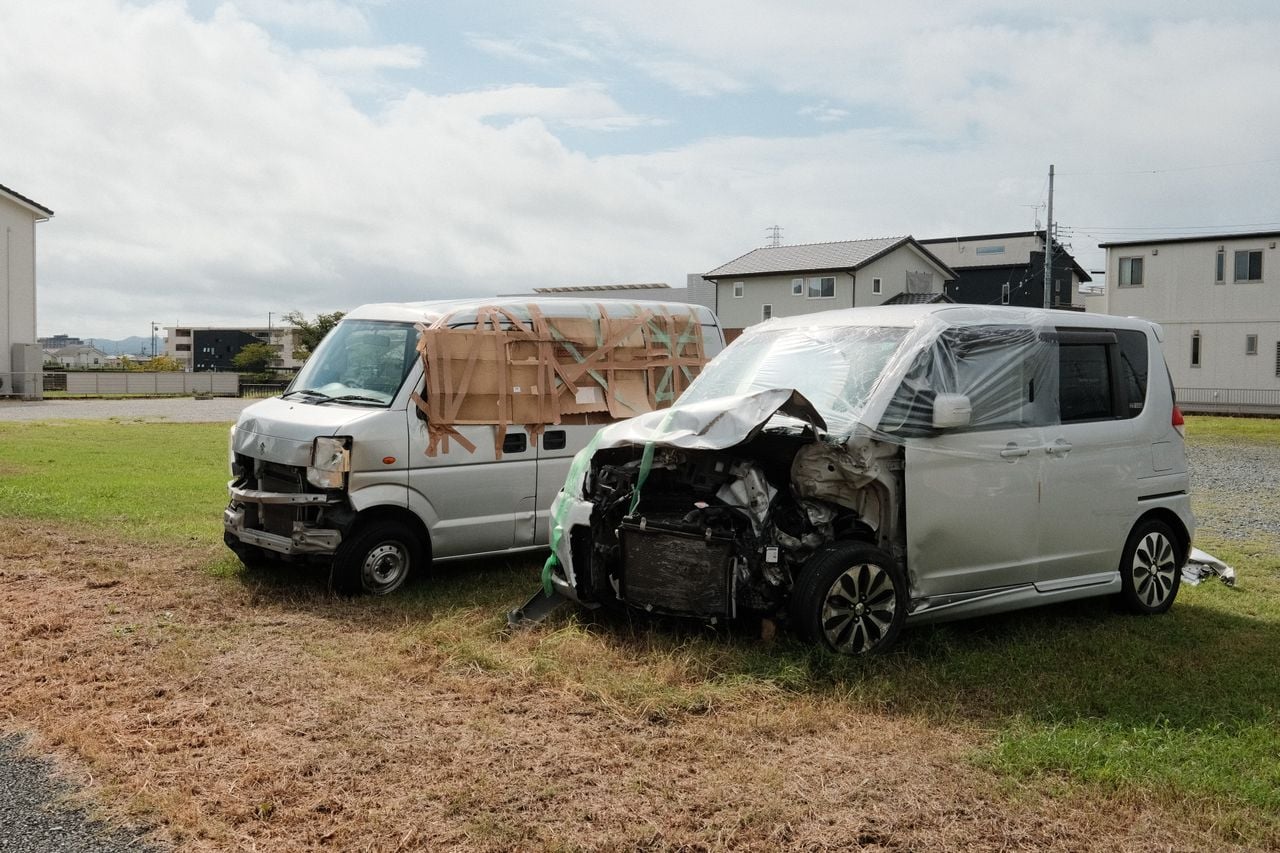
Rear-end collisions are among the most common types of car accidents on American roads, occurring at stoplights, in highway traffic, in parking lots, and at countless other locations every day. Despite being frequently dismissed as minor fender benders, rear-end crashes can cause serious and lasting injuries, particularly to the cervical spine, brain, and soft tissues of the neck and back. When another driver’s inattention, distraction, or failure to maintain a safe following distance causes a rear-end collision that leaves you injured, you have the legal right to pursue compensation for your losses. The strength of your injury claim, however, depends heavily on the actions you take from the moment of impact through the resolution of your case. Understanding what strengthens a rear-end collision claim and what mistakes can undermine it is essential knowledge for any accident victim seeking fair compensation.
Why Rear-End Collisions Cause Serious Injuries
The biomechanics of a rear-end collision create a specific pattern of forces on the human body that frequently results in significant injury even at relatively low speeds. When a vehicle is struck from behind, the occupants of the front vehicle experience a sudden forward acceleration followed by an abrupt deceleration as their seatbelts engage. The head and neck, which are not directly supported during this rapid motion, undergo a whipping movement that can stretch, compress, and tear the muscles, ligaments, discs, and nerves of the cervical spine. This mechanism is the basis for whiplash injuries, which range from mild soft tissue strains to severe disc herniations and nerve damage that can cause chronic pain and permanent disability.
According to road safety data published by the National Highway Traffic Safety Administration, rear-end collisions represent a substantial portion of all traffic accidents and are a leading cause of non-fatal injuries in the United States. The agency’s research on crash dynamics underscores the point that impact severity does not always correlate with vehicle damage, meaning a car that shows relatively little exterior damage can still have subjected its occupants to forces sufficient to cause meaningful injury.
Establishing Liability in a Rear-End Collision
Why Fault Is Usually Clear but Not Always Uncontested
In most rear-end collisions, the driver who struck the vehicle from behind bears primary legal responsibility for the crash. The duty to maintain a safe following distance and to remain alert to traffic conditions ahead is a foundational rule of the road, and drivers who fail to stop in time before reaching the vehicle ahead have generally breached that duty. This basic liability framework makes rear-end collision cases more straightforward than many other accident types when it comes to establishing negligence.
However, insurance companies do not simply concede liability because their insured rear-ended another vehicle. Defense arguments in rear-end collision cases often focus on sudden stops by the lead vehicle, brake light malfunctions, improper lane changes, and other claimed behaviors by the injured party that allegedly contributed to the crash. In states applying comparative or contributory fault rules, even partial success in these arguments can meaningfully reduce the compensation available to the injured victim.
The Importance of the Police Report
Calling law enforcement to the scene of a rear-end collision and ensuring that an official crash report is filed is one of the most important steps in protecting your claim. The responding officer’s observations, any citations issued to the at-fault driver, witness statements recorded at the scene, and the officer’s determination of how the accident occurred all contribute to the evidentiary foundation of your case. Obtain a copy of the report as soon as it becomes available and review it carefully for accuracy.
Medical Documentation as the Cornerstone of Your Claim
Seek Immediate Medical Evaluation
The single most important step in strengthening a rear-end collision injury claim is seeking prompt medical attention. Many victims make the critical mistake of declining emergency medical evaluation at the scene or waiting days or weeks before seeing a doctor, believing that their symptoms will resolve on their own. This delay creates two serious problems. First, it allows serious injuries to go undetected and untreated, potentially worsening the outcome. Second, it gives insurance companies grounds to argue that your injuries were not caused by the accident or are less serious than claimed.
Visit an emergency room, urgent care facility, or your own physician as soon as possible after the collision. Describe every symptom in complete detail, including neck pain, headaches, dizziness, numbness or tingling in the arms, back pain, cognitive difficulties, and any other physical complaints, no matter how minor they may seem in the initial hours after the crash.
Maintain Consistent Treatment and Follow All Recommendations
After your initial evaluation, follow every treatment recommendation from your healthcare providers without interruption. Attend every scheduled appointment with physicians, physical therapists, neurologists, orthopedic specialists, and any other providers involved in your care. The consistency of your medical treatment directly reflects the severity of your injuries in the eyes of insurance adjusters and juries alike. Gaps in treatment are routinely exploited to argue that you must not have been seriously hurt if you were not seeking regular care.
Request detailed records from every provider involved in your treatment. These records, which document your diagnoses, functional limitations, treatment history, and prognosis, form the medical narrative that supports the value of your claim.
Gathering and Preserving Evidence
Scene Documentation and Physical Evidence
If your physical condition permits documentation at the scene, photographs and video of vehicle damage, road conditions, skid marks, and visible injuries are valuable evidence. If you were unable to document the scene at the time, returning to the location within the first 24 hours to photograph the road can still be useful. Preserve any physical evidence including damaged personal property, torn clothing, and any items displaced within the vehicle during the collision.
Witness Statements and Additional Evidence
Independent witness accounts can be decisive in rear-end collision cases where the at-fault driver disputes the circumstances of the crash. Contact any witnesses whose information you collected at the scene as early as possible to obtain detailed statements while their recollections remain fresh. Surveillance footage from nearby businesses, traffic cameras, and dashcam recordings from other vehicles can also provide compelling objective evidence of how the accident occurred and who was responsible.
Avoiding Mistakes That Weaken Your Claim
Insurance adjusters representing the at-fault driver will contact you shortly after the accident. Politely decline to provide recorded statements or sign any documents before consulting with an attorney. Recorded statements made in the days immediately following a traumatic accident, before the full extent of your injuries is known, are frequently used to contradict later medical findings and minimize claim values. Similarly, avoid discussing the accident or your injuries on social media, as these posts are routinely reviewed by defense investigators looking for content that contradicts your claimed limitations.
For residents of the South Bay area dealing with the aftermath of a serious rear-end collision, accessing experienced car accident help in Manhattan Beach through a dedicated local law firm gives you the legal expertise and advocacy needed to build the strongest possible claim and negotiate the full compensation your injuries deserve.
Final Thoughts
Strengthening your injury claim after a rear-end collision requires prompt and consistent medical care, thorough documentation of the accident and your injuries, careful preservation of all relevant evidence, and informed decision-making in your interactions with insurance companies. Every step you take in the aftermath of the crash either builds or erodes the foundation of your claim. With experienced legal guidance supporting you through this process, you give yourself the best possible opportunity to secure the fair and complete compensation that your injuries and losses genuinely deserve.